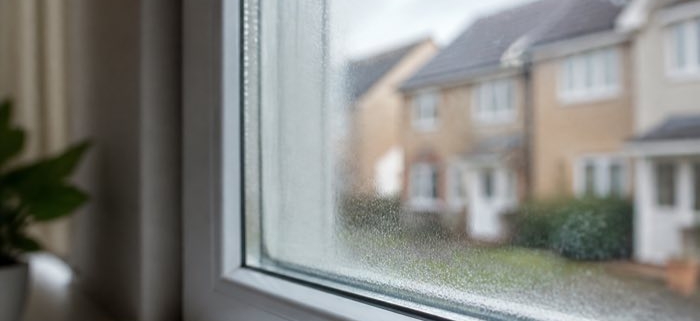
Misted double glazing with condensation trapped between the panes

Double glazing is one of those parts of the house that most people only think about when something starts to go wrong. When it is working well, the room feels warmer, the outside noise is lower, and the window is simply doing its job in the background.

Once a sealed unit starts to fail, though, the signs can become hard to ignore. A little mist inside the glass, a cold patch beside the frame, or a window that has become awkward to close can all point to a repair that is worth dealing with sooner rather than later.

Misting Between the Glass
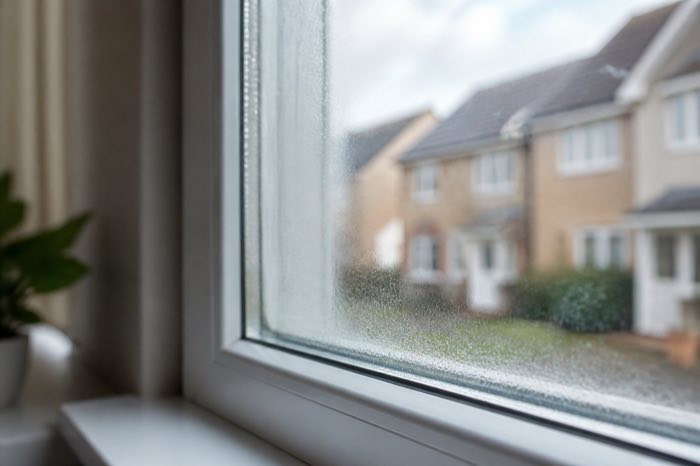
A misted window is often the clearest sign that the sealed glass unit has broken down. Normal condensation can usually be wiped from the inside or outside surface. Moisture between the panes is different because it is trapped inside the unit itself.

This normally means the edge seal has failed and the insulating gap is no longer properly sealed. The window may still look solid from a distance, but it will not perform as well as it did when it was new. In many cases, the glass unit can be replaced without changing the whole frame.

Cold Draughts Around the Frame
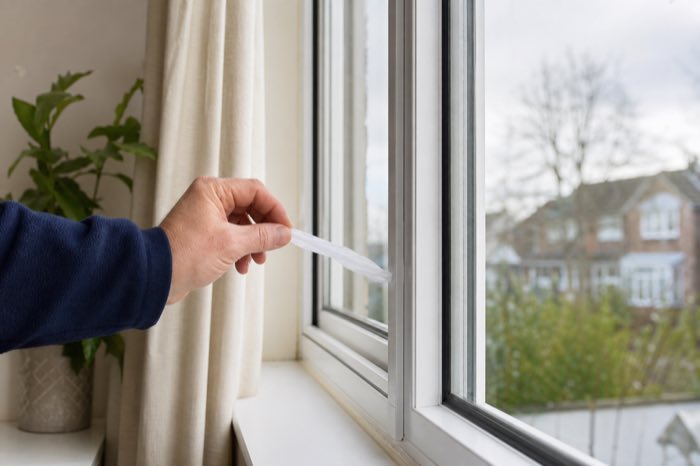
If the area around a closed window feels noticeably colder than the rest of the room, it is worth checking for draughts. A worn seal, dropped hinge, loose handle, or small gap in the frame can let air pass through even when the window appears to be shut.

A simple way to check is to hold a light tissue near the edges of the window on a windy day. If it moves while the window is closed, there may be a gap that needs attention. Sometimes a small adjustment is enough. Other times, the rubber gasket or hardware may need replacing.

Stiff Handles and Loose Hinges

Windows should open and close without needing force. If a handle has become stiff, the sash catches on the frame, or the locking points no longer line up easily, it is usually a sign that the hardware is wearing or the window has moved out of adjustment.

It can be tempting to keep forcing the handle, especially if the window still locks in the end. That can make a small repair more expensive. A failing hinge or misaligned locking mechanism can put extra pressure on the frame, the handle, and the glass unit.

When Repair Makes More Sense Than Replacement
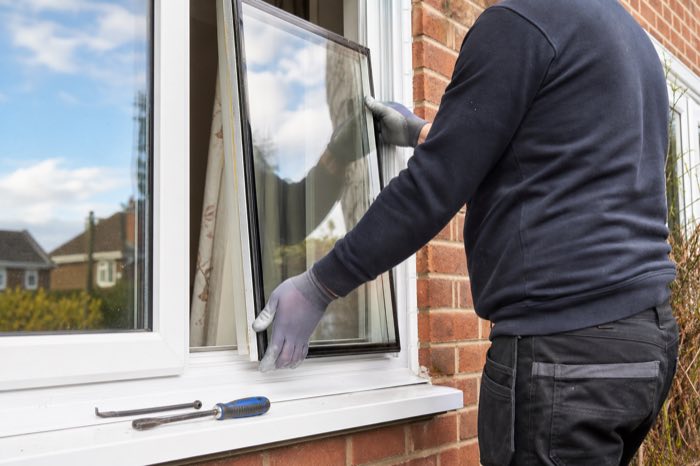
Not every faulty double glazed window needs to be replaced completely. If the frame is still in good condition, a repair may solve the problem at a lower cost and with less disruption. Failed sealed units, hinges, handles, gaskets, and locks are all common repair items.

The key is to look at the whole window, not just the most obvious symptom. A misted pane might need a new sealed unit, while a draught might come from a hinge that no longer pulls the sash tight against the seal. Getting the cause right helps avoid paying for work that does not solve the problem.

Do Not Leave Small Problems Too Long

Small window problems rarely improve on their own. Moisture trapped inside the glass can get worse, draughts can make a room harder to heat, and stiff hardware can eventually fail altogether. Dealing with the issue early is usually the calmer and cheaper route.

If your double glazing is misted, draughty, difficult to close, or simply not performing as it should, it is worth arranging an inspection before assuming the whole window needs replacing. A good repair can often give the window many more years of useful life.

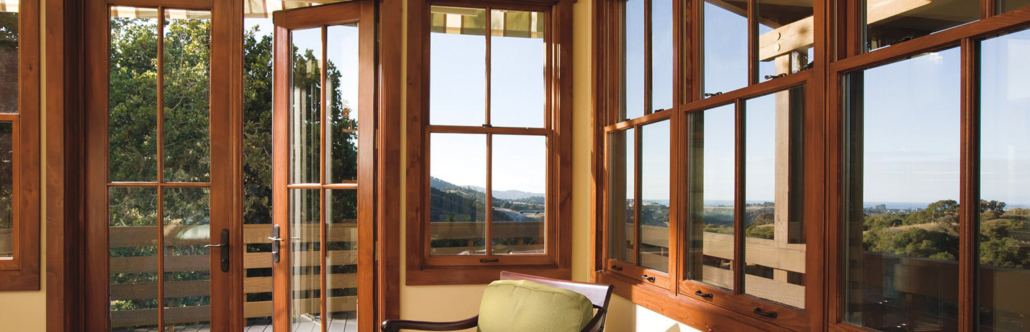
Will New Windows Increase the Value of My Home

Now that you’ve made the determination that it may be time for new windows for your home, one of the qualifying questions that many homeowners ask themselves is, “Will replacing my windows increase the value of my home?”

A legitimate question, as we all want to feel that the money we spend to improve our castle raises the overall value, as well as gives us some immediate benefits. When it comes to replacing the windows in your home, you can rest assured the answer is a resounding, “Yes!” on both counts.

As most of us have limited budgets for these type of activities, the other thing it’s good to know is what home improvement projects offer the best bang for the buck in terms of increased value.

Especially in cold climates anything you do to your home that helps it retain heat can assist in increasing the value of your property. Things like get a professional gas safe engineer to install your boiler, or certifying that the electrical wiring is up to code.

Your research has probably already shown you that there is so much (often conflicting) information available. Fortunately, there is an impeccable source that has put all of this information into an easy to understand format.

Since 2002, Remodeling Magazine has produced the Cost vs. Value report. This report combines project cost estimates based on a renowned publisher of estimating tools for remodelers with resale values assembled via online surveys with realtors. The margin of error is 95% =/-2. In other words, if the gathering of this information was repeated, 95 times out of 100 the results would be within 2% points of the numbers published.

Do Windows Increase the Value of My Home

Do Windows Increase the Value of My Home - Will New Windows Increase the Value of My Home


As mentioned previously, absolutely. As you glance through the National version, you’ll note that the report includes window replacement in the “Upscale” project list, as opposed to the “Midrange.” One of the reasons for this is that many homeowners find that the original windows in the home were included as more of an afterthought and recognize that there will be a larger investment required to replace them with windows that look and perform better.

There are two different window projects mentioned. (Hint: You can click on the link to find the particulars of the project). One is a project using vinyl replacement windows and the other using wood.

Not only do vinyl replacement windows retain more of their cost in terms of increased home value (73.3% to 72.1%), they also give you the second largest amount of cost recouped of any of the “Upscale” projects. This includes bathroom additions/remodels, adding a deck, or a major kitchen remodel.

One great way to improve the value of your property is to install waterproof and heat retaining aluminium windows.

Reducing Energy Costs and Equipment Wear and Tear

Reducing Energy Costs and Equipment Wear and Tear - Will New Windows Increase the Value of My Home

While not a cost/value component, a reduction in energy expenditures and lower incidences of heating/cooling equipment failure are specific monetary benefits that the other, non-window replacement, “Upscale” projects don’t offer.

As the infographic indicates, depending on the area of the country that you live and other factors, Energy Star indicates that you can save an average of up to $366 per year when you replace your old, inefficient windows. Plus, anyone that’s had to replace a heating and/or cooling system knows how much that costs.

New windows will not only increase the value of your home by returning almost 3/4 of the money that you spend for them, depending on how long you live in your home, you could recoup the entire cost of the project in additional energy savings and make your heating and cooling equipment last longer and work better.

The Top 3 Myths about Weather & Windows

All windows aren’t made the same: windows are available in various styles, materials, as well as energy performance ratings. Every type of window is perfect for a particular climate. In case you choose the wrong type, it won’t offer you optimum energy efficiency – that means you may have higher energy bills and might be unpleasant (very hot or very cold) in your house. In addition, you might find yourself squandering cash repairing or replacing the window earlier than if you had selected the right type for your climate.

There is certainly still an unexpected amount of misinformation with regards to windows and storm preparation which continues among homeowners these days. Hurricanes are forces of nature and have become part of our life. While people discovered ways to identify the signs of an upcoming hurricane, they formulated survival skills. Sad to say, myths regarding hurricanes also come up – and a lot of these are totally dangerous. In the face of a storm, these myths present serious dangers to both people living and homes. Prior to tornado and hurricane season, we remind you of the following window-related facts.

Myth #1: Windows needs to be opened up just before the tornado or hurricane approaches in order to equalize pressure and reduce damage.

Opening Up Windows For Storm - The Top 3 Myths about Weather & Windows

Fact: It’s one very popular belief that opening up the house’s windows in advance of a storm could keep pressure from building up on the inside and causing the roof to blow off. Specialists and wind scientists agree with the fact that merely opening up windows will never alleviate or equalize pressure during a storm. Hurricanes are certainly not blowing in only one direction – the air is all around the place, and that’s why it’s so hard to forecast the hurricane’s track! Homes are ruined and damaged by violent winds, for that reason windows needs to be kept shut to keep more debris from getting into your home.

Myth #2: Taping windows with masking or duct tape prior to a storm or hurricane could keep them from breaking.

Taping Windows For Storm - The Top 3 Myths about Weather & Windows

Fact: This might be the single most stubborn and hazardous hurricane myth these days! The good news is, we’re seeing a few progress on debunking this – you seldom, if ever, see TV footage of individuals taping their windows prior to a storm. We are big fans of duct tape however they will not protect windows in a hurricane. Tape can do nothing in order to help protect your windows, prevent them from breaking or protect your house. The ultimate way to secure windows in a hurricane is to install permanent storm shutters or windows particularly graded for high winds. Another option is to board them up using custom-fitted exterior-grade plywood.

Myth #3: During a hurricane, only the windows facing the ocean should be covered.

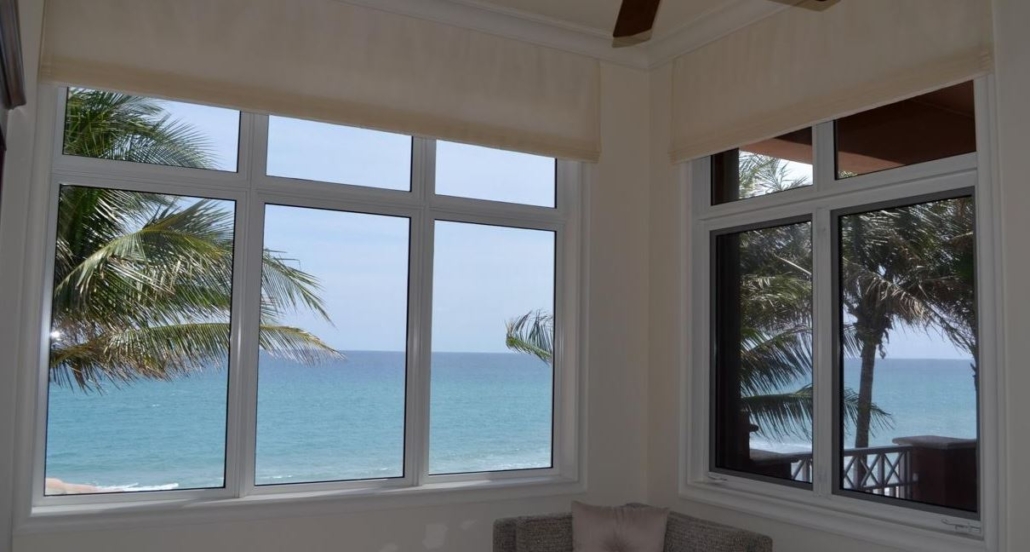
Windows Facing Ocean - The Top 3 Myths about Weather & Windows

Fact: Wind may come from any direction or angle and could switch direction fairly quickly. Setting up coastal windows or covering all windows, doors as well as garage doors using impact-resistant material is the ideal method to avoid damage coming from high winds and flying debris.