
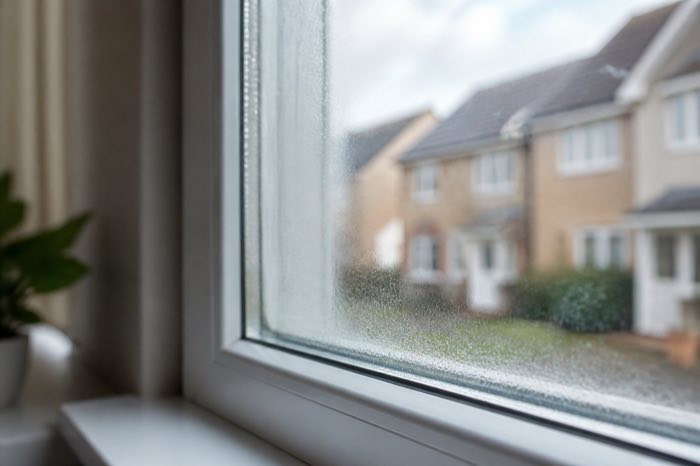
Double glazing is one of those parts of the house that most people only think about when something starts to go wrong. When it is working well, the room feels warmer, the outside noise is lower, and the window is simply doing its job in the background.
Once a sealed unit starts to fail, though, the signs can become hard to ignore. A little mist inside the glass, a cold patch beside the frame, or a window that has become awkward to close can all point to a repair that is worth dealing with sooner rather than later.
Misting Between the Glass
A misted window is often the clearest sign that the sealed glass unit has broken down. Normal condensation can usually be wiped from the inside or outside surface. Moisture between the panes is different because it is trapped inside the unit itself.
This normally means the edge seal has failed and the insulating gap is no longer properly sealed. The window may still look solid from a distance, but it will not perform as well as it did when it was new. In many cases, the glass unit can be replaced without changing the whole frame.
Cold Draughts Around the Frame
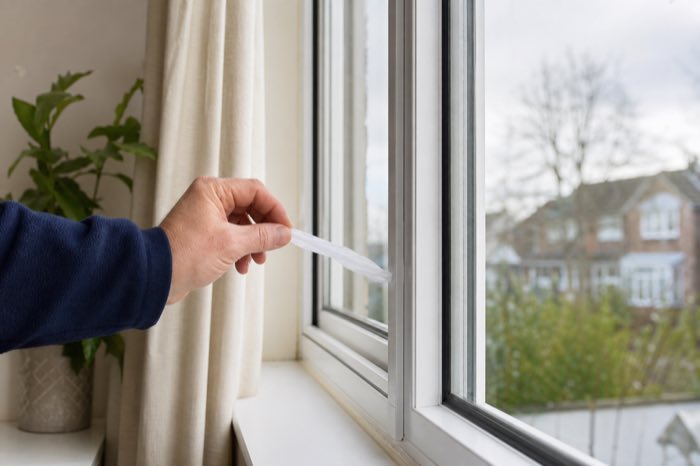
If the area around a closed window feels noticeably colder than the rest of the room, it is worth checking for draughts. A worn seal, dropped hinge, loose handle, or small gap in the frame can let air pass through even when the window appears to be shut.
A simple way to check is to hold a light tissue near the edges of the window on a windy day. If it moves while the window is closed, there may be a gap that needs attention. Sometimes a small adjustment is enough. Other times, the rubber gasket or hardware may need replacing.
Stiff Handles and Loose Hinges
Windows should open and close without needing force. If a handle has become stiff, the sash catches on the frame, or the locking points no longer line up easily, it is usually a sign that the hardware is wearing or the window has moved out of adjustment.
It can be tempting to keep forcing the handle, especially if the window still locks in the end. That can make a small repair more expensive. A failing hinge or misaligned locking mechanism can put extra pressure on the frame, the handle, and the glass unit.
When Repair Makes More Sense Than Replacement
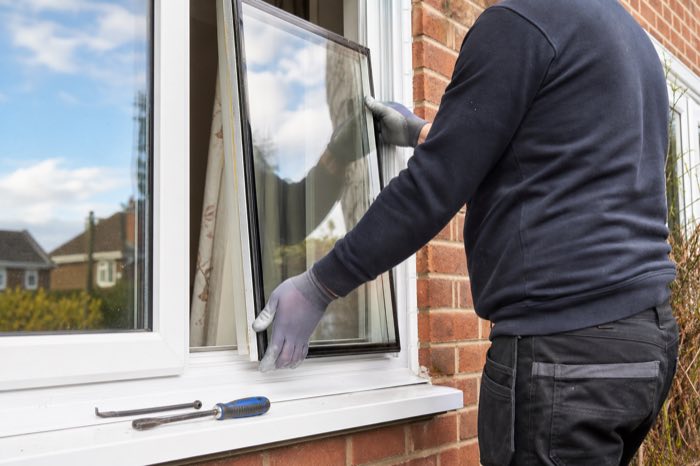
Not every faulty double glazed window needs to be replaced completely. If the frame is still in good condition, a repair may solve the problem at a lower cost and with less disruption. Failed sealed units, hinges, handles, gaskets, and locks are all common repair items.
The key is to look at the whole window, not just the most obvious symptom. A misted pane might need a new sealed unit, while a draught might come from a hinge that no longer pulls the sash tight against the seal. Getting the cause right helps avoid paying for work that does not solve the problem.
Do Not Leave Small Problems Too Long
Small window problems rarely improve on their own. Moisture trapped inside the glass can get worse, draughts can make a room harder to heat, and stiff hardware can eventually fail altogether. Dealing with the issue early is usually the calmer and cheaper route.
If your double glazing is misted, draughty, difficult to close, or simply not performing as it should, it is worth arranging an inspection before assuming the whole window needs replacing. A good repair can often give the window many more years of useful life.
